Warning Signs Of Needing An Attic Insulation Upgrade
October 20, 2026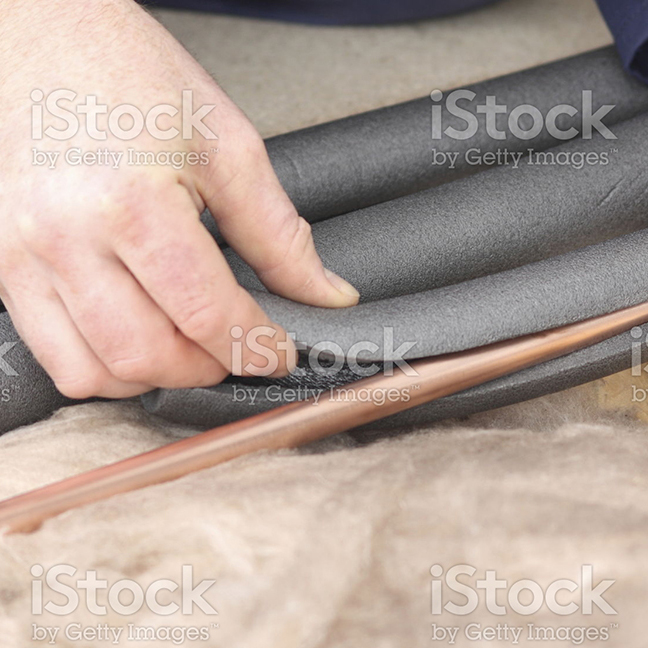
Winter in New England brings long stretches of freezing nights, biting winds, and the occasional nor’easter. These conditions put your home’s plumbing under serious strain. At Insulation & Energy Solutions, we help homeowners across Massachusetts and Rhode Island protect their homes from the cold. This guide explains what pipe insulation does, why it matters most when temperatures drop, and how you can prepare before the harshest weeks arrive.
What Pipe Insulation Does for Your Home
Pipe insulation is a protective layer that wraps around your water supply lines. It slows heat loss and helps the water inside stay at a steadier temperature. Common materials include foam pipe sleeves, fiberglass pipe wrap, and rubber insulation tubing. Each one creates a thermal barrier between the pipe and the cold air around it. The benefits extend beyond winter. Insulated hot water lines deliver warmer water to your faucets faster. Insulated cold water lines resist condensation during humid summer months.
How Pipe Freezing Leads to Burst Pipes
Water expands as it turns to ice. Inside a pipe, that expansion builds pressure between the ice blockage and the nearest closed faucet. Over time, the pipe can crack or split open. The damage often goes unnoticed until the ice thaws and water rushes out. Burst pipes can soak drywall, warp flooring, and ruin stored belongings. Lingering moisture may also lead to mold growth inside walls and under floors. Pipe freezing most often happens in parts of the home that receive little or no heat.
Where Pipes Are Most at Risk in Older Homes
Many homes in our region were built long before modern insulation standards existed. Colonials, capes, and triple deckers often have plumbing running through spaces that stay cold all season. We regularly find vulnerable pipes in these areas:
- Unheated basements: Fieldstone and block foundations let cold air seep in and leave exposed lines open to freezing.
- Crawl spaces: These tight areas usually have minimal insulation and direct contact with outdoor air.
- Exterior walls: Pipes along outside walls sit close to freezing temperatures with only a thin layer of protection.
- Attics and garages: Plumbing that passes through these spaces faces nearly the same conditions as the outdoors.
- Rim joists: Gaps near the sill plate allow drafts that chill nearby supply lines.
Simple Steps to Pair With Pipe Insulation
Pipe insulation works best as part of a complete cold weather plan. These habits give your plumbing an added layer of defense:
- Insulate exposed lines early: Wrap visible pipes in basements, garages, and crawl spaces before the first hard freeze.
- Seal air leaks: Air sealing around foundations and wall penetrations keeps cold drafts away from plumbing.
- Keep indoor heat steady: Maintain a consistent temperature, even overnight or while you travel.
- Drain outdoor faucets: Shut off and empty exterior hose bibs so trapped water cannot freeze.
- Locate your main shutoff: Knowing where your main water valve sits lets you act quickly if a leak occurs.
Professional Pipe Insulation for Lasting Protection
Foam sleeves handle simple, accessible runs with ease. Tight cavities and drafty foundations often call for a more thorough approach. Closed-cell spray foam can fill gaps that are difficult to reach while adding both insulation and an air barrier in one step. Insulation & Energy Solutions assesses each space carefully and recommends the right material for your home’s layout. Taking action now helps you avoid costly repairs and stressful emergencies once winter sets in. Our team proudly serves homeowners in Holbrook, MA, Pawtucket, RI, and nearby towns with dependable insulation solutions built for New England weather. To schedule an assessment, call us at (401) 854-5997 or fill out our online contact form.